When to drink your wine: a plain guide to drinking windows
What a drinking window is, why a few wines improve with age while most are made to drink young, and how to tell if a bottle is past its peak.
Sooner or later you find a bottle you've been saving, look at the vintage, and wonder whether you've waited too long, or not long enough.
The answer has a name, the drinking window. Once you understand what goes into one, you can make that call with more confidence. This guide covers what a drinking window is, why some wines improve in the bottle while most don't, and how to tell when a bottle has slipped past its best. At the end, we'll show how Selara Sommelier keeps track of windows across a whole cellar.
What a drinking window is
A drinking window is the span of years when a wine is expected to taste its best. It usually has three parts. There's a point when the wine starts to open up, a stretch when it's at its peak, and a gradual decline after that.
Two things are worth knowing from the start.
First, a window is an estimate. Critics, producers and merchants publish windows based on experience with similar wines, but no one can see inside a particular bottle. Two bottles from the same case can taste different after twenty years, depending on how they were stored.
Second, the end of a window is rarely a cliff. Most wines fade slowly. A bottle "past its window" may still give a lot of pleasure, just with less fruit and more of the earthy, savory character that comes with age. Some people prefer wine that way.
Most wine is made to drink young
It's easy to assume that all wine gets better with time. It doesn't. Most wine is made to be enjoyed within a few years of release, while its fresh fruit is at its brightest. Everyday reds, most rosé, most Sauvignon Blanc and Pinot Grigio, and most simple sparkling wines fall into this group. Keeping them longer usually costs them freshness and gives nothing back.
A smaller share of wines do benefit from time in the bottle. Familiar examples include many top Bordeaux, Barolo and Barbaresco, serious Burgundy, Northern Rhône Syrah, vintage Port, Sauternes, fine German Riesling and vintage Champagne. These wines can seem tight or austere when young and become more layered and harmonious over years or decades.
If you're starting a collection, a useful habit is to buy mostly for drinking, with a few bottles set aside for waiting.
What helps a wine age
No single factor decides how long a wine will last. A few things work together.
- Acidity. Acid keeps wine fresh and helps preserve it. High-acid whites such as Riesling and Chenin Blanc can age for a long time, even without tannin.
- Tannin. Tannins come mostly from grape skins, seeds and stems, and sometimes from oak. They give young red wine its grip. Over time they soften, and in older reds some settle out as sediment.
- Sugar. Sugar acts as a preservative. Sweet wines such as Sauternes, Tokaji and late-harvest Riesling are among the longest-lived wines there are.
- Alcohol in fortified wines. Vintage Port's added spirit, together with its sugar and tannin, is part of why it can age for decades.
- Concentration. Wines with dense fruit have more to give as they develop. A thin wine has little to fall back on once its first fruit fades.
- Balance. A wine with lots of tannin but little fruit will often dry out before the tannin softens. Age-worthy wines have enough of everything.
Two more things affect how fast a wine moves through its window.
- Storage. Warm storage speeds aging up. A steady, cool cellar slows it down and keeps it even. Bottles that have been kept warm can tire early. Our wine storage basics post covers the details.
- Bottle size. Larger formats are widely believed to age more slowly than standard bottles, because there's more wine relative to the air in the neck. Half bottles tend to move faster.
Vintage matters too. The same wine can have a longer or shorter life depending on the growing season, which is why published windows for one producer can differ by several years from vintage to vintage.
What changes as wine ages
Knowing what changes helps you judge where a bottle is.
In young wine, you mostly taste fruit, plus any oak. With time, that fruit softens and new aromas appear. Reds may pick up notes of leather, earth, forest floor, tobacco or dried fruit. Whites may move toward honey, nuts, toast or dried apricot.
Color changes too. Red wines gradually lose their purple tinge and move toward garnet, then brick or tawny at the rim. White wines tend to deepen toward gold and, eventually, amber.
Texture changes. Tannins feel smoother and the wine feels more integrated, as though its parts have settled into one another.
How to tell if a bottle is past its peak
There's no perfect test short of opening it, but a few signs are reliable.
Before you open it, look at the fill level. In older bottles, a gap between the cork and the wine is normal, but a very low level can mean air has crept in. Check for sticky residue around the capsule or a cork pushed up from the neck. Both can mean the bottle was exposed to heat at some point.
When you pour it, look at the color. A red that's fully brown, or a white that's deep amber when it should still be gold, has likely gone a long way.
When you taste it, a wine that's past its best usually shows some of these:
- The fruit has faded, and what's left tastes thin or hollow.
- The finish is short, or tannins feel dry and dusty with nothing to support them.
- It smells flat, or like nuts or sherry, in a wine that wasn't made in that style.
It also helps to tell an old wine apart from a faulty one. A musty smell like wet cardboard points to cork taint, which can affect a bottle of any age. Cooked or stewed fruit often points to heat damage. Neither means the wine as a whole is finished, only that this bottle is.
If you have several bottles of the same wine, open one every year or two and take a note. It's the most reliable way to follow a wine through its window, and it makes the decision about the rest of the case much easier.
How Selara Sommelier tracks drinking windows
A spreadsheet can hold a "drink from" and "drink to" column, but it can't tell you which of your 600 bottles needs attention this month. Selara Sommelier can.
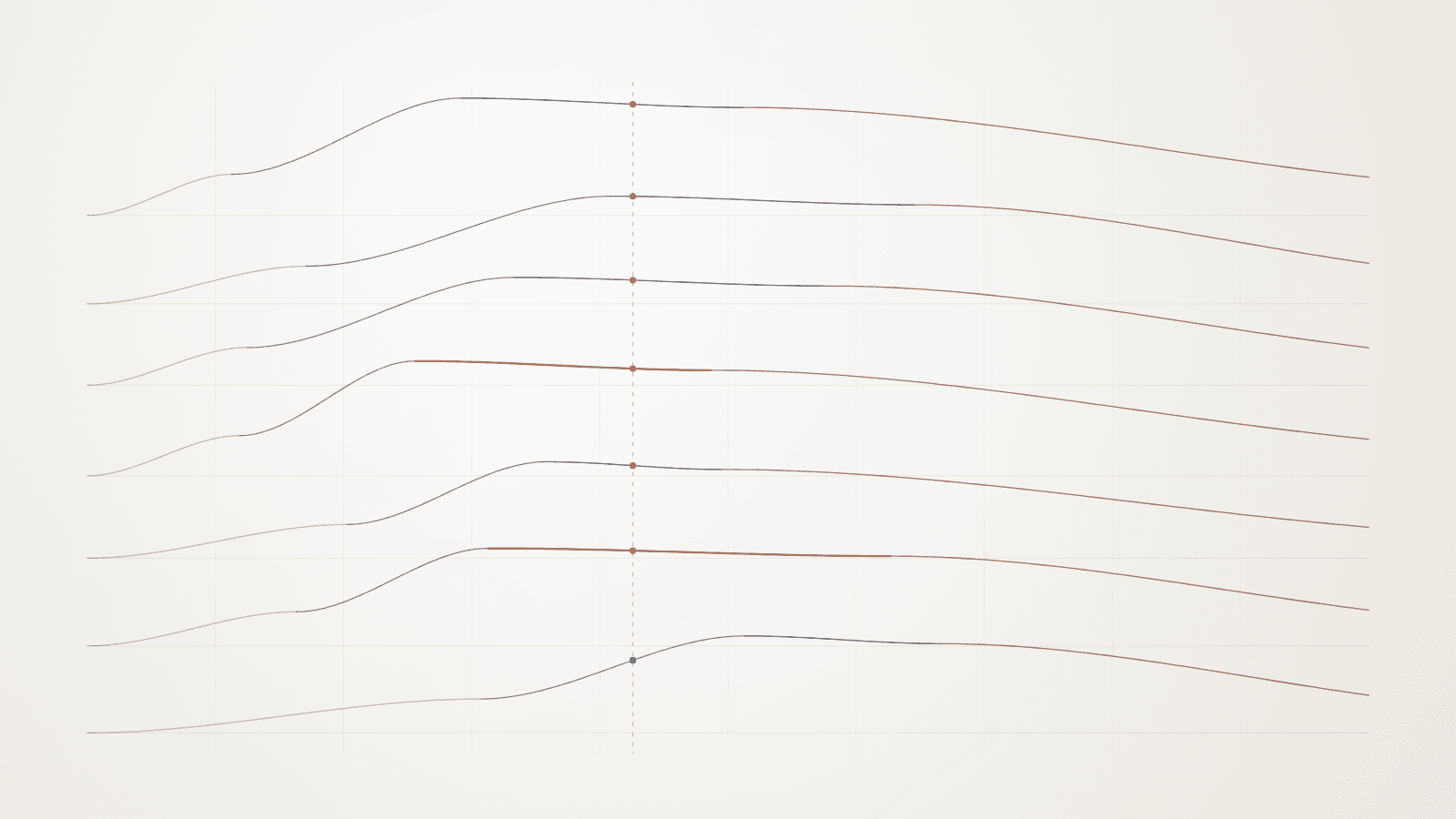
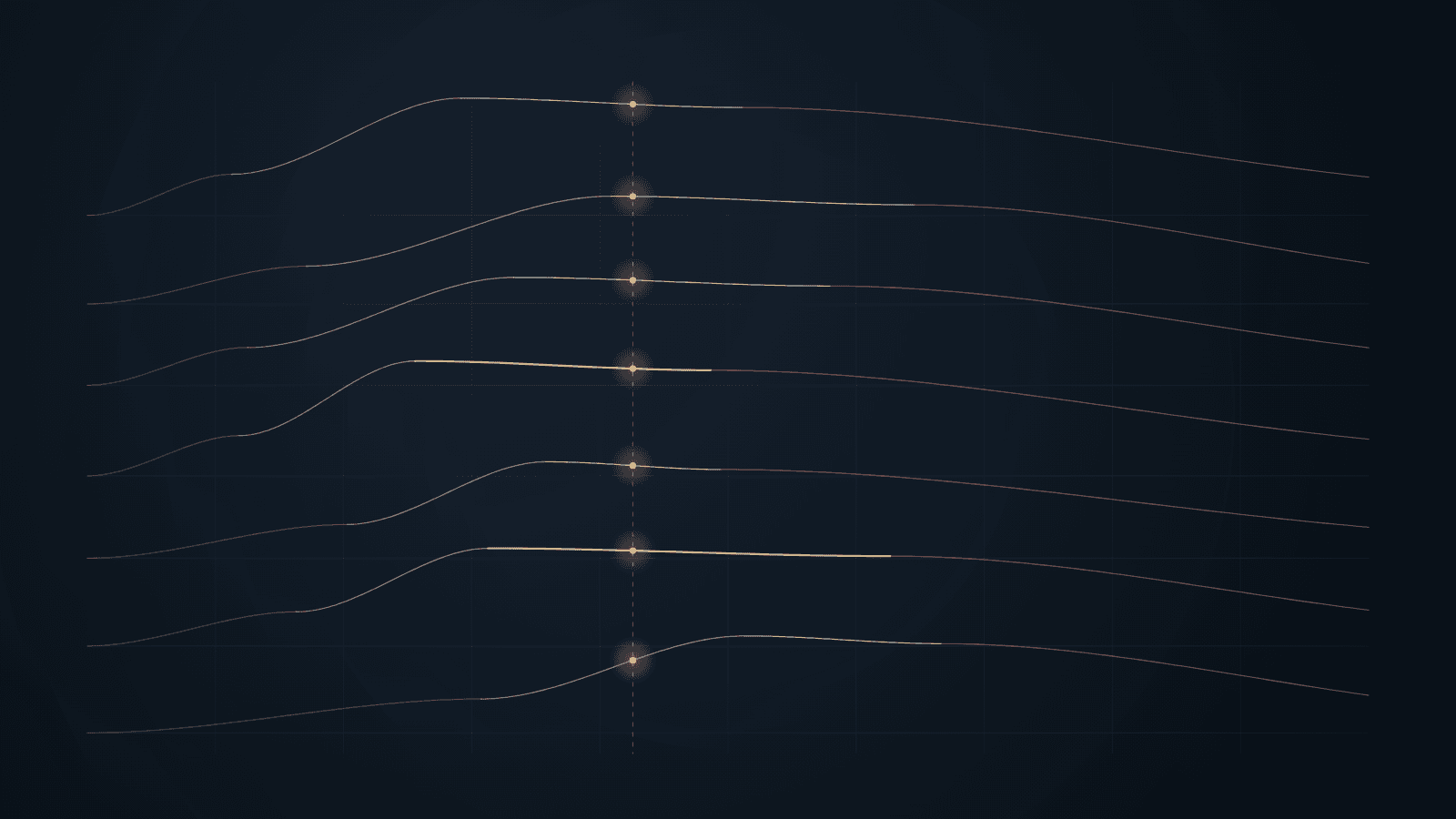
Every wine page has a drinking-window section with a curve. It shows where the bottle sits today, and how its window opens and closes over time, measured in years after the vintage. You can drag across the chart, or use the slider, to see what to expect in a given year. The curve is colored by phase, from young through approaching and prime to past the main window, and a short key explains what it's based on.
Here's where the estimate comes from:
- Selara Sommelier estimates a window from the wine's details, such as color, region, grape, producer, appellation, classification and vintage. Some producers are known for wines that last longer, or are best drunk earlier, than others of the same style, and the curve takes that into account.
- On Grand Cru, Grand Cru Exceptionnel and the free Beta tier, it uses a drinking window from GrapeMinds when one is available for that wine. Those figures are part of market value.
- For non-vintage Champagne and other styles bottled ready to drink, the window counts from release rather than harvest.
- Spirits, sake and beer don't get a table-wine curve. Selara Sommelier marks them as having no window instead of making one up.
Each wine also gets a readiness label, such as Early, Approaching, Entering prime, In prime, Late prime or Drink now. Those labels show up in your cellar sheet, so you can sort and filter by them.
On the dashboard, two counts keep it practical. Ready now shows how many bottles are inside their window. Open soon lists bottles that are leaving their prime, plus any you've flagged yourself. You can also mark any bottle "drink soon" if you know something the curve doesn't, like a bottle with a low fill. Your flag sits alongside the window rather than replacing it.
When you've picked bottles for a dinner, stage them from the sheet, and Selara Sommelier keeps them in a staged list until you've opened them or put them back. You can also ask Selara Sommelier's AI which bottles in your cellar are ready to drink, or which you should open before they pass their prime.
Make the window work for you
Use drinking windows to plan, then trust your own palate. If a wine you love tastes great "too early", enjoy it. If an older bottle still has life, drink it and enjoy it.
If your collection lives in a spreadsheet today, our guide to moving your cellar into an app shows how to bring it into Selara Sommelier. If you're coming from another app, read how to switch. Once your bottles are in, every one of them gets a drinking window.
Questions
- What is a wine drinking window?
- It is the span of years when a wine is expected to taste its best. It is an estimate, not a deadline. Many wines still drink well for a while after the window closes.
- Do all wines get better with age?
- No. Most wine is made to be enjoyed within a few years of release. A smaller group of wines with plenty of acidity, tannin, sugar or concentration can improve for many years.
- How can I tell if a wine is past its peak?
- Faded fruit, a dried-out or hollow finish, brown color in a wine that should still be youthful, and flat, sherry-like smells in a wine that wasn't made that way are common signs.
- How does Selara Sommelier estimate a drinking window?
- Every wine page shows a drinking-window curve. Selara Sommelier estimates it from the wine's style, region, grape, producer and vintage. On Grand Cru, Grand Cru Exceptionnel and Beta, it uses a drinking window from GrapeMinds when one is available.